Hampton Beach is one of the most competitive—and rewarding—short-term rental markets in New Hampshire. For homeowners and investors considering Airbnb ownership, understanding why demand is so strong, when it peaks, and how to manage seasonality is critical to long-term success.
Why Hampton Beach Performs So Well as an Airbnb Market
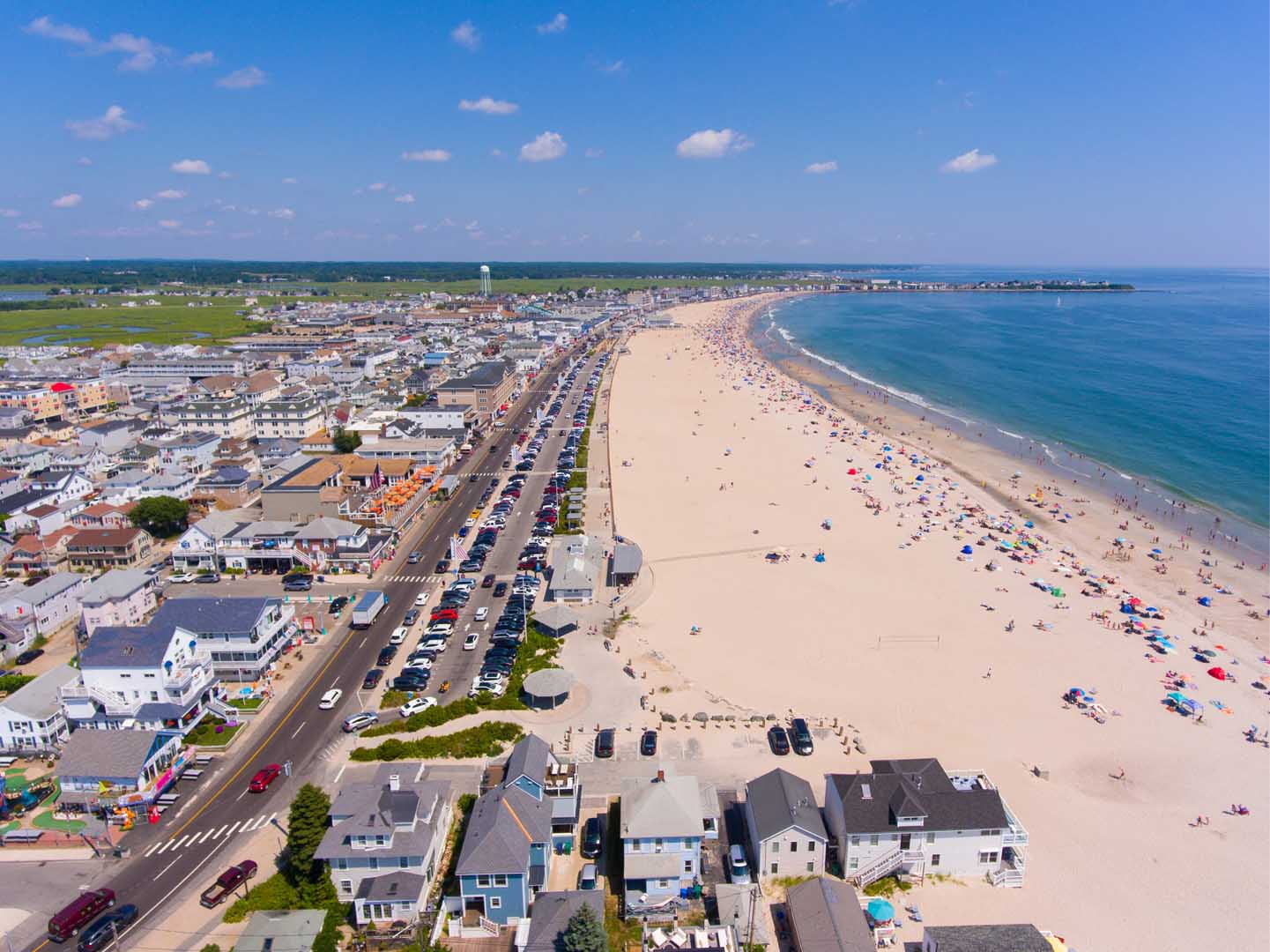
Hampton Beach benefits from a rare combination of demand drivers that consistently attract guests year after year. First and foremost, it’s one of the most accessible beach destinations in New England. Travelers from Massachusetts, New York, and beyond can reach Hampton easily by car, and those flying in can land in Boston, rent a car, and be at the beach in under 90 minutes.
During the summer months, Hampton Beach becomes a high-occupancy market almost by default. Beaches, boardwalk attractions, restaurants, live music, and the casino ballroom create constant demand for short-term stays. Many properties in this area regularly achieve 75–80% occupancy or higher during peak summer season.
Beyond the beach itself, Hampton also benefits from proximity. Guests can spend part of their trip enjoying the coast, then head north to Portsmouth for dining and nightlife or south to Boston for day trips. That flexibility makes Hampton especially attractive for week-long stays.
Understanding Seasonality in Hampton Beach
Like most coastal New England markets, Hampton Beach is highly seasonal—but seasonality doesn’t mean unprofitability.
- Peak Season (May–September):
This is when demand is strongest. Nightly rates are highest, stays are shorter, and occupancy is consistently high. Proper pricing and listing optimization during this window are essential to maximize revenue. - Shoulder Seasons (Late October–November & April–Early May):
These periods tend to see significantly lower occupancy. Weather is unpredictable, tourism slows, and weekend-only stays become harder to book. - Off-Season / Winter:
While leisure travel drops, Hampton still sees demand from a different type of guest—traveling professionals, contractors, and medical staff working at nearby hospitals or regional job sites.
Successful Airbnb owners don’t fight seasonality—they adapt to it.
How Winter & Off-Season Stays Still Generate Revenue
One of the most effective strategies for Hampton Beach Airbnbs is shifting from nightly bookings to monthly or mid-term stays in the winter.
Instead of trying to rent weekends at reduced nightly rates, experienced operators adjust pricing to attract guests searching for monthly stays on Airbnb or Vrbo. These guests are often:
- Traveling nurses
- Contractors working on regional projects
- Professionals temporarily assigned to the area
Nightly rates may drop from summer highs (e.g., $400/night) to winter-adjusted pricing (often closer to $100–$120/night), but longer stays and reduced turnover help stabilize cash flow.
Minimum night stays are also adjusted—moving from 2-night minimums in summer to 5-, 7-, or even 10-night minimums in winter—to discourage short stays that don’t make financial sense.
Permitting Makes Hampton Even More Attractive
Another reason Hampton Beach stands out is its relatively Airbnb-friendly regulatory environment. Compared to some other NH towns, Hampton has fewer permitting hurdles, making it easier for owners to operate legally and confidently.
That said, regulations can change, and due diligence is always critical before purchasing or listing a property.
Is Hampton Beach Right for You?
Hampton Beach is an excellent Airbnb market for owners who:
- Want strong summer revenue
- Are comfortable with seasonal strategy shifts
- Understand the importance of pricing and operational flexibility
- Prefer fewer regulatory barriers
When managed correctly, a Hampton Beach Airbnb can be both profitable and predictable—two things that don’t often go together in short-term rentals.