One of the most common questions Airbnb owners ask is simple: “Is my occupancy rate where it should be?”
In New Hampshire, the answer depends on location, seasonality, and how the property is strategically positioned throughout the year.
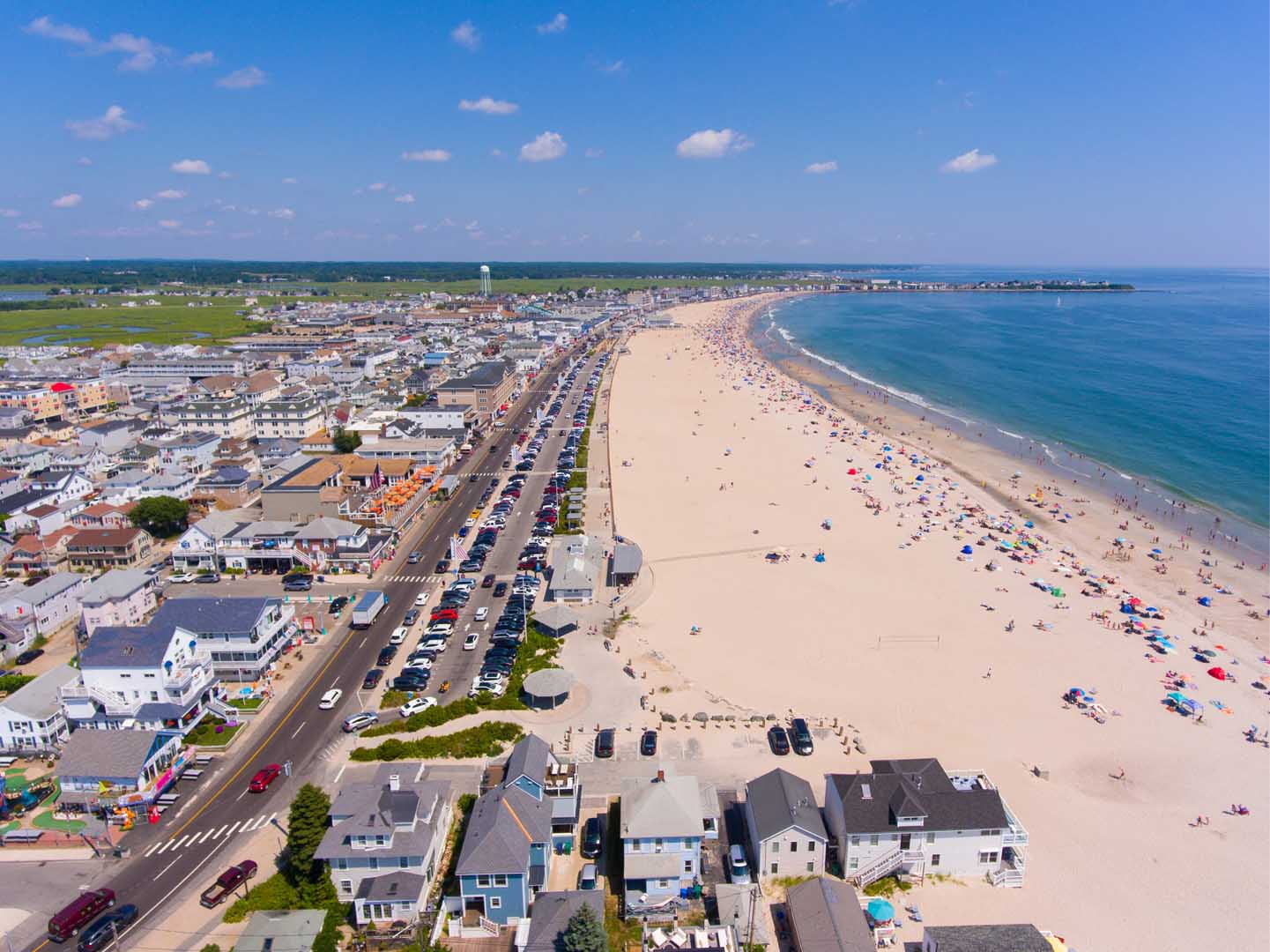
The good news is that New Hampshire’s Airbnb markets—especially the Seacoast and Lakes Region—offer clear, predictable patterns that experienced operators use to their advantage.
Occupancy Rates Are Strategic, Not Static
Unlike hotels, Airbnbs aren’t designed to hit the same occupancy numbers every month of the year. A “good” occupancy rate in July looks very different from a “good” occupancy rate in January—particularly in seasonal markets like the NH Seacoast and Lakes Region.
During peak summer months, well-managed properties in high-demand areas often achieve 75–80% occupancy or higher, frequently alongside premium nightly rates. These months typically generate a significant share of annual revenue.
Rather than chasing identical occupancy year-round, successful Airbnb owners focus on maximizing each season for what it naturally does best.
How Occupancy Shifts Throughout the Year—and Why That’s a Strength
Peak Season
During summer, strong demand creates ideal conditions for:
- Higher nightly rates
- Shorter minimum stays
- Consistent booking momentum
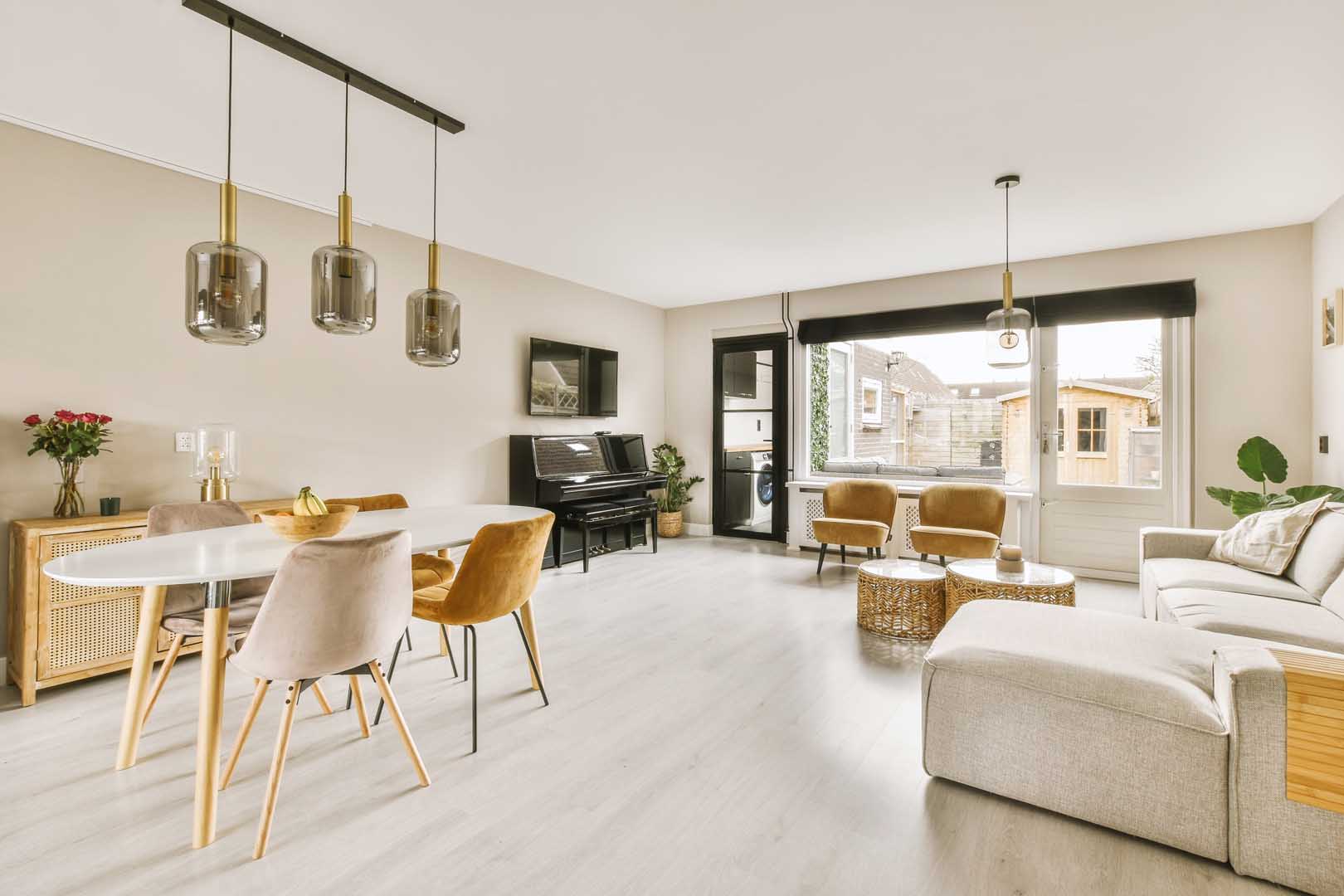
When a property is optimized correctly, peak season often becomes the financial engine that carries the entire year. If performance isn’t where it should be during this window, it’s usually an opportunity to fine-tune pricing, improve listing presentation, or better align amenities with guest expectations—not a reflection of weak demand.
Shoulder Season
Late fall and early spring serve as transition periods. While travel volume naturally softens, these months provide opportunities to:
- Adjust pricing strategically
- Attract flexible travelers
- Prepare the listing for the next high-demand season
Rather than focusing on raw booking volume, the goal during shoulder seasons is positioning the property efficiently while keeping operations lean.
Off-Season / Winter
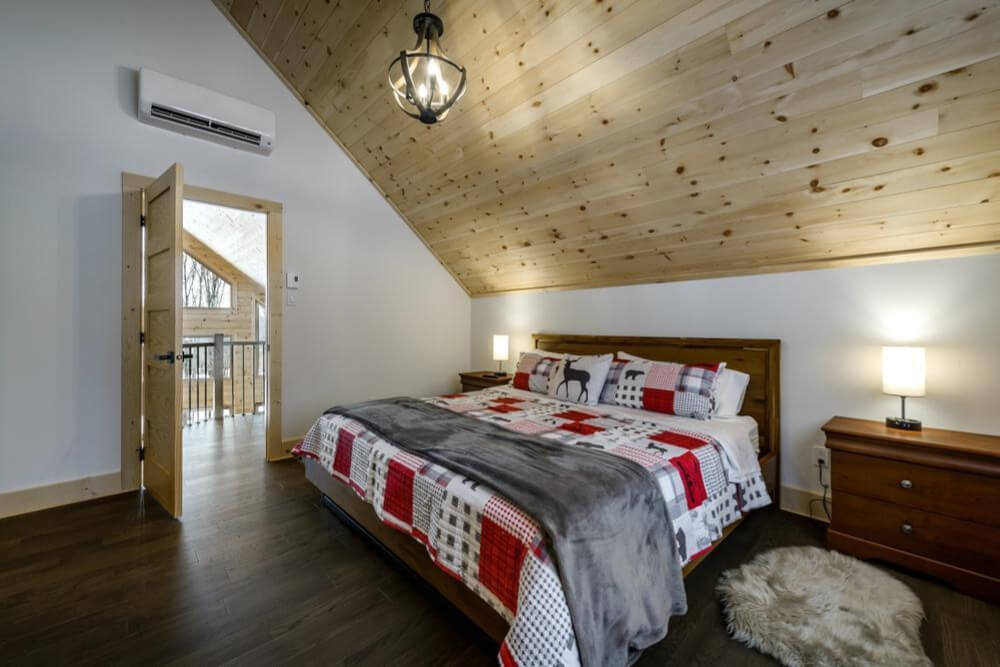
Winter performance looks different—but not weaker. Many successful New Hampshire Airbnb owners shift toward longer stays, which creates stability and reduces turnover.
Monthly and mid-term bookings—such as traveling professionals, contractors, or healthcare workers—often result in:
- Fewer gaps between bookings
- Lower cleaning and turnover costs
- More predictable monthly income
This strategy allows properties to continue performing without relying on short-stay vacation travel.
First-Year Performance Is About Building Momentum
The first year of operating an Airbnb is best viewed as a foundation-building phase. New listings are still developing:
- Review history
- Search visibility
- Pricing confidence
A well-run Airbnb may reach 55–65% occupancy during peak season in its first year, which is a strong starting point. More importantly, this period is about earning consistent 5-star reviews, refining operations, and setting the stage for stronger performance in future years.
Occupancy and Profitability Work Together
High occupancy alone doesn’t define success. In many cases, strategic pricing and fewer, higher-quality bookings outperform a completely full calendar.
Successful operators balance:
- Occupancy
- Nightly rates
- Turnover frequency
- Operational costs
This approach protects margins while maintaining a positive guest experience.
What Success Really Looks Like
A “good” Airbnb occupancy profile in New Hampshire typically includes:
- Excellent performance during peak months
- Stable income supported by longer stays in winter
- Year-over-year improvement as the listing matures
- All operating expenses covered
- Positive cash flow or meaningful lifestyle benefits
When those elements are in place, the property is performing exactly as intended—and improving over time.